
Lindsay Lohan sued GTA 5 over a character and lost, but the ruling still matters for every game
New York's highest court said a video game avatar can legally count as a portrait, and then said Lacey Jonas wasn't recognisable as Lohan.
By Wes Calloway
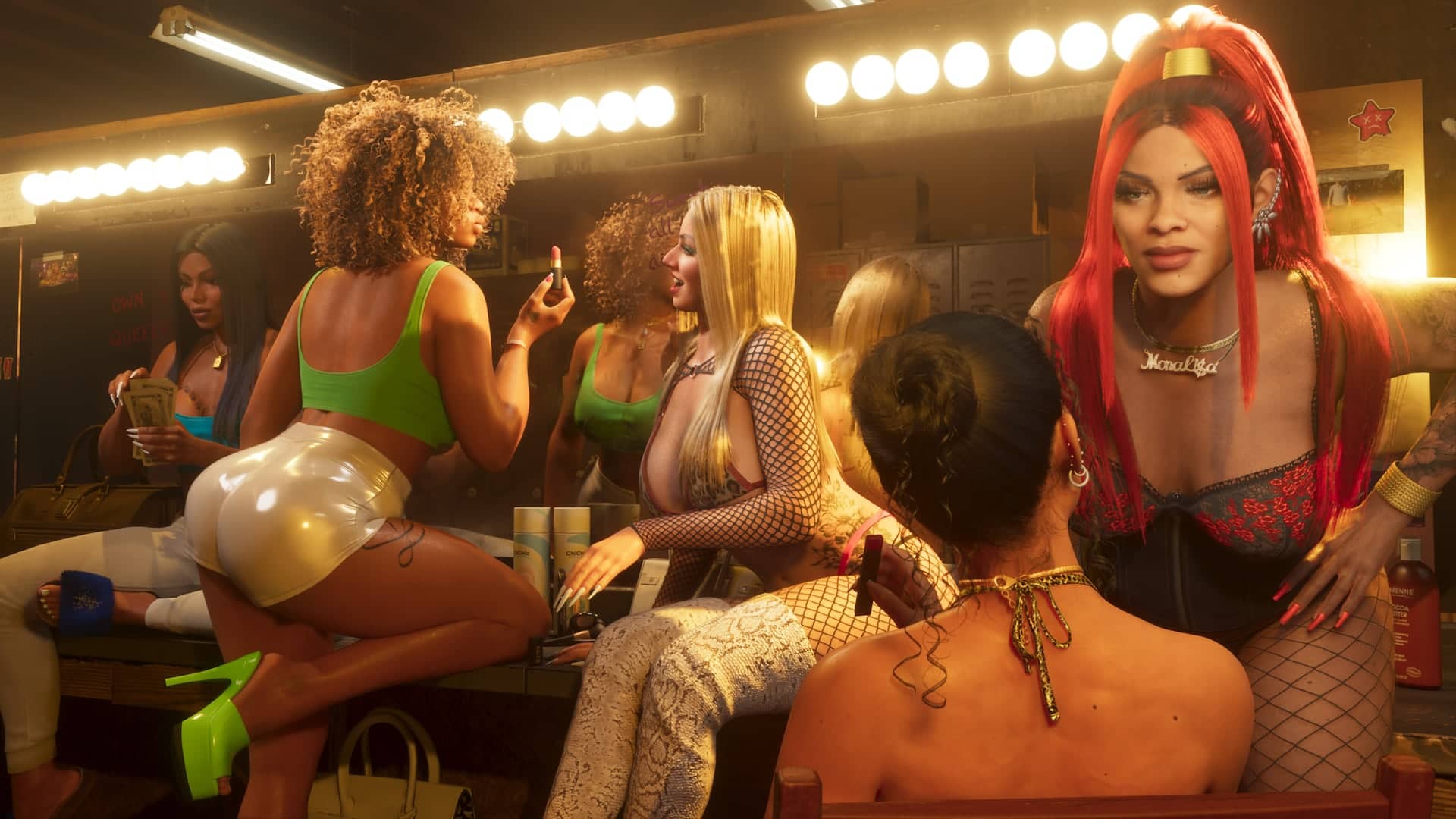
In July 2014, Lindsay Lohan sued Take-Two and Rockstar in a New York state court over GTA 5. She said a character called Lacey Jonas, along with two pieces of artwork, used her likeness without permission. She lost, and the reasoning is the interesting part.
Who Lacey Jonas is
Lacey Jonas is a woman in GTA 5 who's trying to escape the paparazzi in a side event called Escape Paparazzi. She describes herself as an "actress slash singer" and the "voice of a generation". The two images in the case were a loading-screen image and an advertising image. Lohan wanted damages and an injunction. We couldn't find a dollar figure.
How it ended
The trial court let the case go ahead, and the Appellate Division reversed and dismissed it. It also threw out a similar suit from Karen Gravano over a character in the same game. The state's highest court, the Court of Appeals, upheld the dismissals on 29 March 2018, and the Gravano suit was rejected the same day.
What the court actually said
The court agreed with Lohan on a point of law: "a graphical representation in a video game or like media may constitute a 'portrait'" under New York's Civil Rights Law. That's a win for people who want to sue over avatars in future.
But it said the Jonas character "simply is not recognizable as plaintiff", calling it a generic artistic depiction of a "twenty something" woman without identifying physical characteristics. It described the images as "indistinct, satirical representations of the style, look, and persona of a modern, beach-going young woman". It treated them as cultural comment.
The court didn't decide whether a video game counts as advertising or trade, which is the other test under that law. So the question of whether a game can use someone's likeness without permission stayed open. Lohan lost because the character wasn't her, not because the law ruled games out.
Why it still matters
Rockstar has always built its worlds out of parody: fake brands, fake celebrities, fake TV shows. GTA 6 does it too, from fake brands on real Miami billboards to the beer labels. The Lohan ruling shows the legal line Rockstar works near: a satirical stand-in that nobody can pin on a real person.
We haven't been able to read the opinion itself, which was blocked for us, so the quotes above come from Game Developer, Manatt and Patent Arcade, who all quote it. The case name is Lohan v. Take-Two Interactive Software. If you need the exact wording for anything other than reading, check the opinion directly.
Are you playing GTA 6 on day one?
Votes are anonymous. One per browser.
Sources
Keep reading
 New
Every GTA launch in numbers: $310 million for GTA 4, $800 million for GTA 5, and what Take-Two says about GTA 6
The official day-one and week-one figures, who announced them, and the one famous GTA 5 number that Take-Two itself didn't back.
2 min read
 New
How much did GTA 5 cost? The $265 million everyone quotes isn't what you think
Rockstar has never confirmed a budget for GTA 4 or 5. Here's where $100 million, $137.5 million and $265 million each came from.
2 min read
 New
Bloomberg's GTA 6 video says Rockstar told them the budget is "not quite as much as the Burj Khalifa"
An 11-minute Bloomberg Originals film puts numbers on the stakes: a budget Rockstar won't name, analyst sales forecasts up to 85 million, and a claim about GTA Online nobody's confirmed.
2 min read