Take-Two's CEO was asked if he should be replaced. His answer conceded the question.
An investor put years of delays and dependence on a handful of franchises to Strauss Zelnick at today's annual meeting. He reached for 2007, and then made the shareholder's point for him.
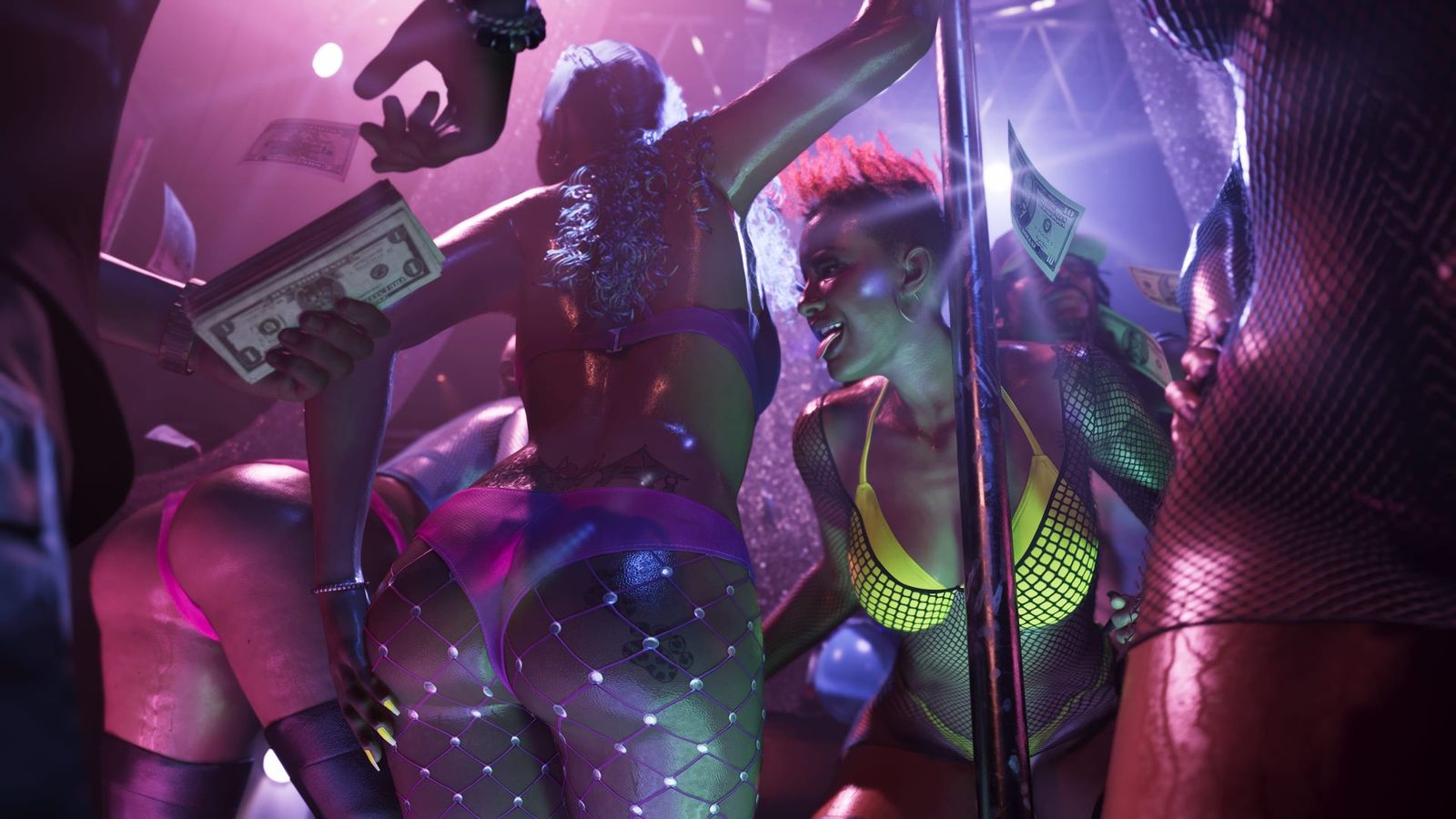
Take-Two held its annual meeting of stockholders today, nine weeks before Grand Theft Auto 6 comes out, and a shareholder used it to ask the chief executive whether he should still have the job.
The question, as read out at the meeting, said many shareholders had tolerated years of delays, missed expectations, and continued dependence on a small number of major franchises. It then asked whether the board thought the current management team should stay, or whether senior executives should be replaced if operational performance did not improve.
Strauss Zelnick did not accept the framing. I would, however, quibble with your characterization in the question, he said, and then answered it with a history lesson.
The baseline he chose
Zelnick went back to March 2007, when the current management took over. On his account the company then had revenue under a billion dollars, was under investigation by at least four government entities, had not filed an annual report in thirteen months, had failed to schedule an annual meeting it was obliged to hold, had one major franchise in Grand Theft Auto, was losing money on everything else, and was very nearly bankrupt.
Against that, Take-Two is guiding to $8.0 to $8.2 billion in net bookings for the fiscal year now running, which is growth of roughly a fifth on last year.
It is a genuinely strong record and it is also a deliberate choice of comparison. The shareholder asked about the last few years. The answer reached back nineteen of them, to the one moment in the company's history when the alternative to this management was insolvency. Nobody arguing from a position of strength picks 2007.
The part that proves the shareholder right
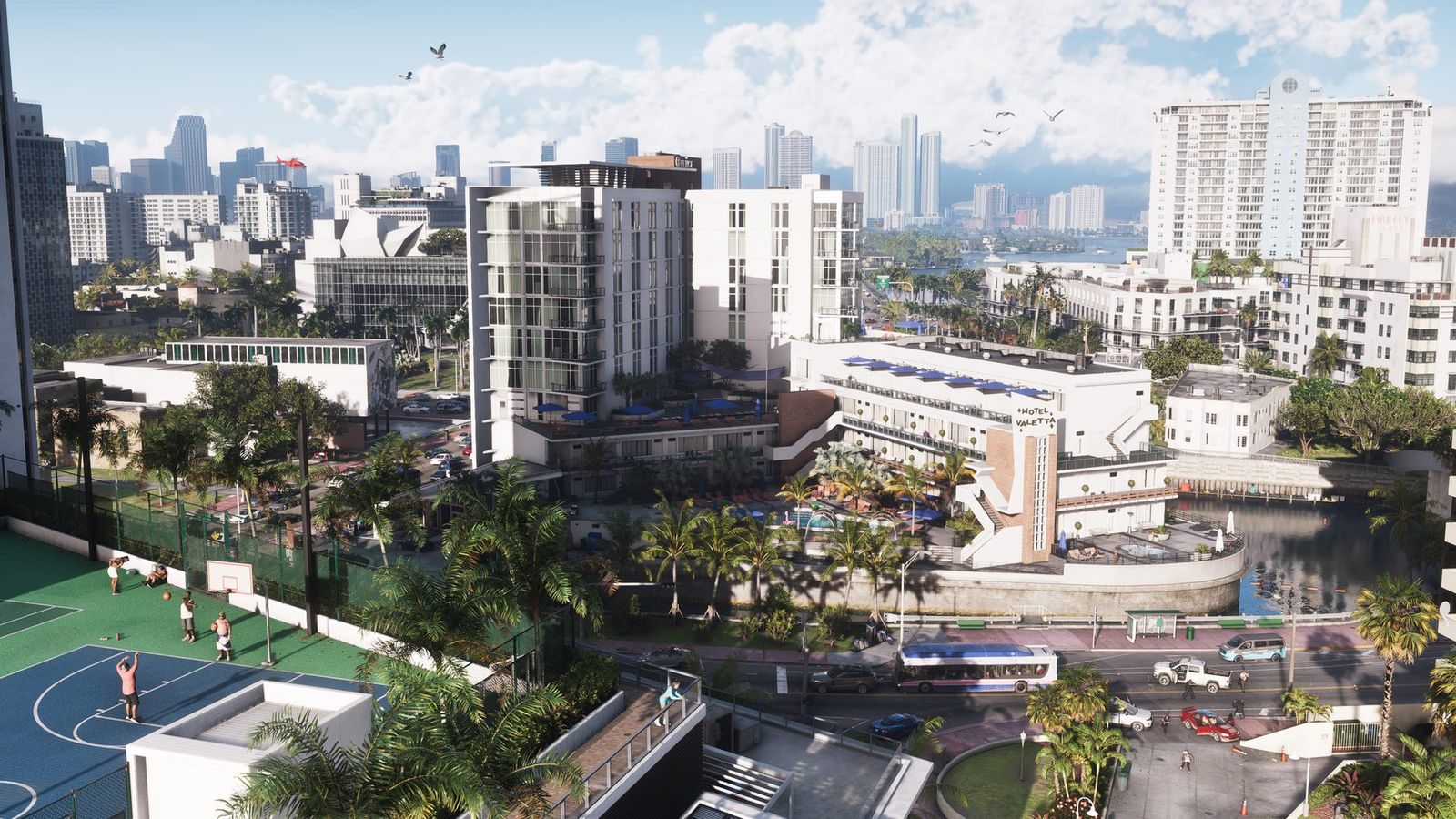
On the charge of leaning on a handful of franchises, Zelnick's defence was that Grand Theft Auto 5 came out in 2013 and is still among the five best-selling games thirteen years later.
That is true, and it is the shareholder's point restated as a boast.
A company whose answer to *you depend on too few franchises* is *one of them has been in the top five for thirteen years* has confirmed the dependence and disputed only whether it is a problem. Both readings are available and both are defensible: it is either the most durable asset in the industry or a single point of failure with a very long fuse.
What it is not is a counterexample.
What is actually riding on 19 November
This is the context that makes the exchange more than shareholder theatre.
| Net bookings guidance, this fiscal year | $8.0 to $8.2 billion |
| Growth that implies | around 19 to 22% |
| Weeks of GTA 6 on sale inside that year | roughly six |
| Delays before the date was settled | two |
A full year of guidance for a company this size rests on about six weeks of trading, from one game, released on a date that has already been changed twice. That is why a shareholder brought delays up nine weeks out rather than nine months ago, and it is why the answer was a list of 2007's problems rather than an argument about 2025's.
The quiet hedge in the pre-orders
There is one number in Take-Two's favour that did not need defending.
Zelnick confirmed last month that the $99.99 Ultimate Edition is outselling the $79.99 standard in pre-orders. That matters more than it sounds, because it lifts the revenue per copy without needing a single extra sale. A mix skewed to the expensive tier is how a company reaches the top of a guidance range it has already published, which is a considerably safer place to be than needing the unit count to surprise.
It also says something about who is buying. Nine weeks out, the people pre-ordering are the ones who were always going to, and they are taking the more expensive option.
What it means for the game
Nothing, directly. No date changed today, no content was announced, and an annual meeting is not where a publisher discusses either.
What it does establish is the pressure the launch is carrying. Rockstar has historically been willing to delay rather than ship something broken, and that instinct has produced the studio's reputation. It has now also produced a shareholder asking, out loud and on the record, whether the people exercising it should keep their jobs.
Nine weeks from now that question answers itself, in one direction or the other, and nobody at the meeting pretended otherwise.
What was not said
No new information about the game. No comment on GTA Online, no release-day detail beyond the 19 November date, and nothing about what happens to the PC version.
The meeting was a governance formality with one pointed question in it. Treat the rest of today's coverage accordingly.
Sources
Keep reading
Rockstar put its own biggest secret in a court filing
Arguing that leaking is why it dismissed 34 people, Rockstar had to state in writing what was leaked. It is the first detail of GTA 6 Online the company has ever committed to paper.
4 min read
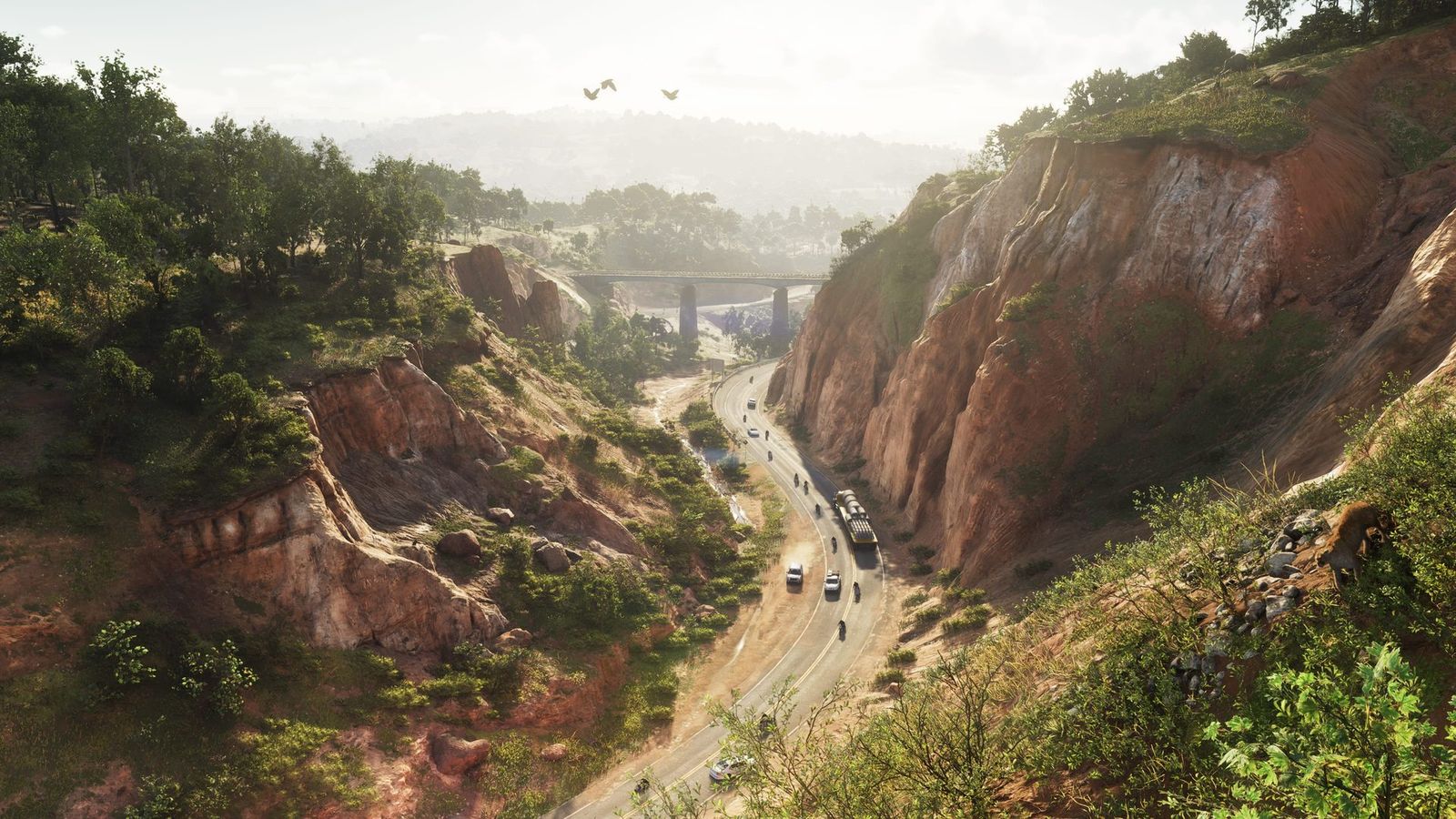
GTA 6 has been in development since 2015, five years earlier than assumed
Full production started in 2020. Early work began the year after GTA V hit PC, which reframes the entire timeline.
3 min read
GTA 6 is so large that nobody at Rockstar knows all of it
Rockstar North's co-studio head on a game that started years before full production began in 2020.
2 min read